Collect
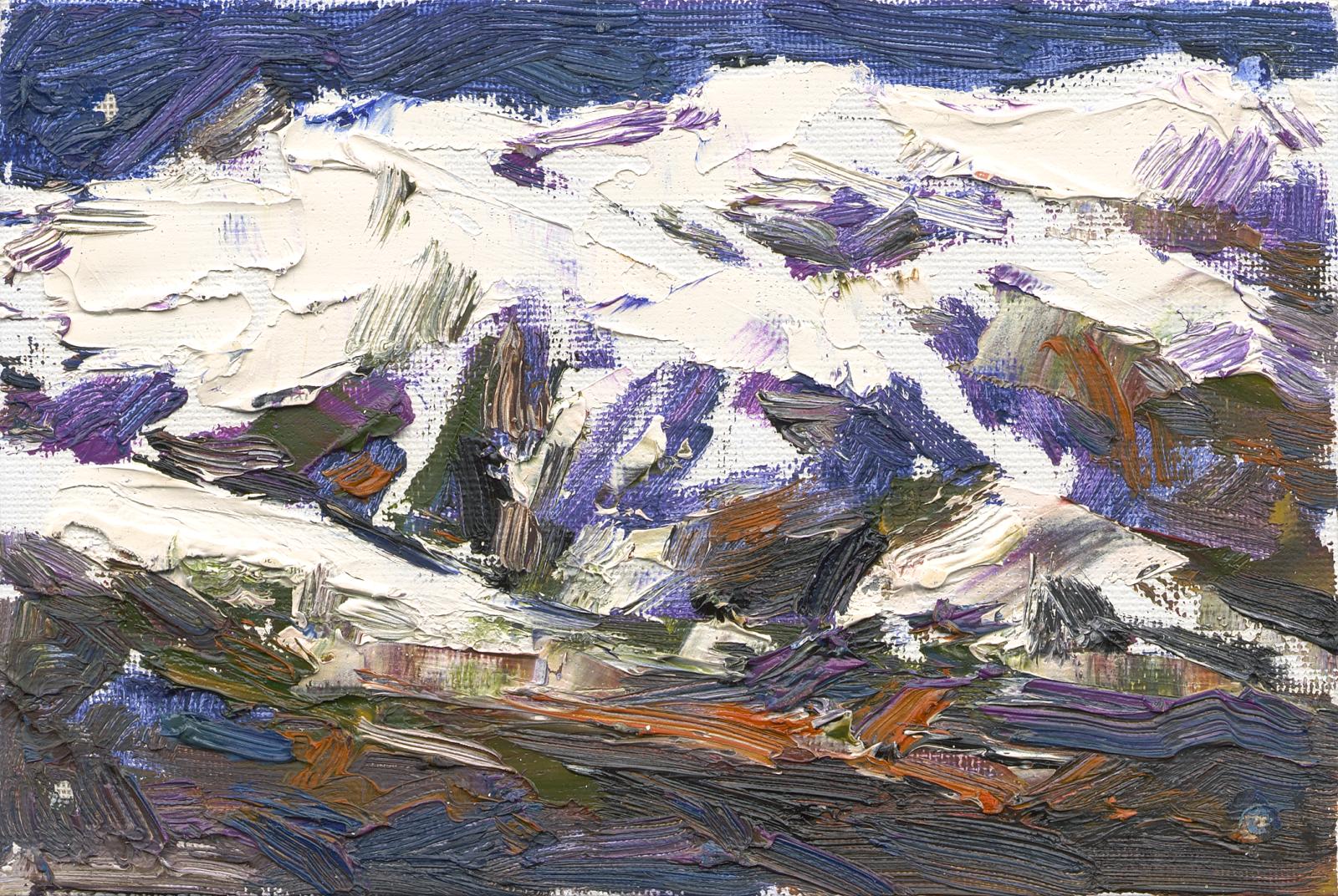
New Year's Eve Vigil (Zhang Guozhong)
Painting
Size 18cm x 12cm
Price Not Set | Contact us to inquire about artwork status and collection availability
Metaassets所提供之藝術品登錄、上鏈與資料建檔服務,係依據收藏家或使用者自行提供之資訊進行記錄與展示。Metaassets(元宇宙資產股份有限公司)不具備藝術收藏品真偽鑑定或來源查證之法律責任,亦不對藝術品之真實性、合法性、完整性或權屬關係提供任何明示或默示之保證。
收藏家於進行收藏、交易或相關決策前,應自行審慎評估藝術品之真偽、來源及市場風險;因前述因素所生之一切法律、財務或交易爭議,概由使用者自行承擔,與本平台無涉。

The work does not depict a specific scene of the New Year's Eve vigil but instead evokes the viewer's spiritual feelings of reunion, waiting, and hope through color, texture, and spatial relationships. Within the thick and impassioned brushstrokes lies the tranquility of a winter night, while also expressing the power of life nurturing new beginnings in the cold of winter. Zhang Guozhong uses an expressive oil painting language, blending natural imagery with inner emotions, making "New Year's Eve Vigil" transcend the festive theme itself and elevate it to a poem about time, life, and human sentiment, showcasing a unique artistic realm that integrates Eastern philosophy with contemporary oil painting expression.
None
Art Guarantee Certificate (provided by Kaixin International Marketing Co., Ltd.)
Certificate of Authenticity (Provided by Kaixin International Marketing Co., Ltd.)